Grunge Skull and Butterfly Urban Design Review
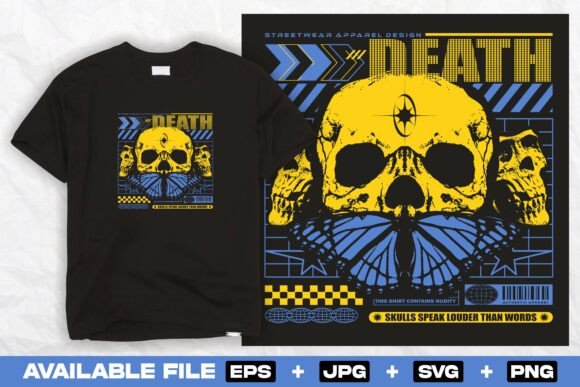
As a designer who spends just as much time behind an embroidery machine as I do in vector software, I approach every new graphic with a specific question: will this actually stitch out well? The Grunge Skull and Butterfly Urban Design immediately catches the eye with its bold, Y2K-inspired streetwear aesthetic. While the product description highlights its strength for screen printing and digital posters, my focus is strictly on its viability as a machine embroidery design. When evaluating graphics for needle and thread, we have to look past the pixels and visualize the physical texture. This design offers a fantastic moody atmosphere, but translating that grunge texture into stitches requires careful planning to avoid a stiff, bulletproof result on your final garment.
Translating Streetwear Graphics to Stitch
My first impression of this artwork is that it carries a heavy visual weight, which is perfect for urban fashion but tricky for embroidery. The interplay between the skull and butterfly suggests a contrast between hard and soft elements. In a digital file, grunge effects are often achieved through transparency or distressed overlays. In embroidery, however, we cannot print transparency. We must interpret these textures through stitch types. If you are using this as a base for an embroidery project, you need to determine if the grunge effect is created via complex fill stitches or if it relies on negative space.
For a sweatshirt embroidery application, this design has immense potential. The bold lines typical of urban graphics usually translate well to satin stitch borders, while the interior shading can be handled with lighter density fill stitches to maintain fabric drape. However, because this is categorized under T-Shirt Designs and Graphics intended for multiple mediums, verify the digitizing before hooping. A design optimized for screen printing often lacks the necessary underlay or pull compensation required for a stable embroidered patch or apparel decoration. Always treat a print-ready graphic as a concept for embroidery until proven otherwise through testing.
Real-World Application: The Oversized Hoodie Test
To truly evaluate this asset, I mentally placed it in a real production scenario: creating a limited-run oversized hoodie for a small shop product launch. Hoodies are a staple for Etsy sellers and craft business owners targeting the alternative fashion niche. The Grunge Skull and Butterfly Urban Design fits this demographic perfectly. For this specific use case, I would position the design as a center chest piece rather than a full back print to manage stitch count and production time.
In this scenario, the butterfly wings offer an opportunity for color blending, while the skull provides a solid anchor. If the original file is too dense for fleece, I would recommend editing the digital embroidery file to reduce stitch density in the grunge areas by 15-20%. This prevents the "armor plate" effect where the fabric becomes too rigid. For a handmade product like this, the tactile feel is just as important as the visual. Customers buying premium custom apparel expect the embroidery to integrate with the garment, not sit on top of it like a plastic sticker. Using a tear-away stabilizer combined with a light fusible backing could help maintain the structural integrity of the hoodie without adding unnecessary bulk.
Fabric Compatibility and Hoop Considerations
While this design screams streetwear, not all fabrics are equal partners for such a detailed graphic. Here is how the Grunge Skull and Butterfly Urban Design performs across different substrates:
- Heavyweight Cotton and Fleece: Ideal. These fabrics support higher stitch counts and complex details without puckering. The grunge texture will pop against the matte surface of a heavyweight tee or hoodie.
- Stretchy Knits and Ribbing: Proceed with caution. The bold urban lines may distort if the fabric stretches during hooping. Use a cut-away stabilizer and consider basting stitches around the perimeter to lock the fabric in place before the main design stitches out.
- Canvas Tote Bags: Excellent choice. As a tote bag design, the grunge aesthetic looks intentional and artistic on natural canvas. The fabric texture complements the distressed vibe of the skull and butterfly motif.
- Lightweight Baby Clothes: Not recommended. Despite the cute butterfly element, the skull theme and likely high stitch density make this unsuitable for delicate baby embroidery. The design is simply too aggressive and heavy for infant wear.
When selecting your hoop size, choose the smallest hoop that comfortably contains the design. Excess empty space in a large hoop allows fabric to shift, leading to registration errors in those fine grunge details. If you plan to use this for commercial embroidery on caps, ensure the design has been specifically digitized for curved surfaces; flat urban graphics often require significant reshaping to wrap correctly around a hat front.
Commercial Viability for Makers and Sellers
For Etsy sellers and creative entrepreneurs, the value of this asset lies in its versatility within the alternative fashion niche. The Grunge Skull and Butterfly Urban Design bridges the gap between edgy streetwear and artistic illustration, making it marketable for both finished products and potentially as part of a larger collection of design assets. However, professionalism dictates due diligence. Before listing any personalized gift or custom apparel featuring this graphic, you must confirm the licensing terms. Does the purchase allow for commercial use on physical goods? Can you sell the digital embroidery file itself, or only the stitched end product?
Visual appeal drives buyer engagement. When creating printable mockups for your online store, show the design on textured fabrics rather than flat digital renders. Customers trust sellers who demonstrate how the embroidery actually looks in real life. Highlight the sheen of the thread colors against the matte grunge background. If the design includes tiny lettering or intricate corner details, zoom in on those areas in your product photos to prove clarity. A blurry or lost detail in a photo suggests poor digitizing quality, whereas crisp stitching signals a high-value handmade product.
Essential Pre-Stitch Checklist for Designers
Before you commit this design to a retail garment or a client commission, run through this practical evaluation process. Skipping these steps is the most common cause of wasted materials and customer dissatisfaction in the embroidery business.
- Test on Scrap Fabric First: Never stitch a new urban design directly onto a final product. Use a scrap of the exact same material and stabilizer combination you intend to use for the sellable item.
- Audit Stitch Density: Open the file in your embroidery software. Check for areas where running stitch, satin stitch, and fill stitch overlap excessively. Grunge textures can sometimes hide density spikes that will break needles or damage fabric.
- Verify Thread Color Contrast: Urban designs often rely on subtle tonal shifts. Ensure your chosen thread colors provide enough contrast so the skull and butterfly remain distinct after stitching. What looks good on a bright monitor may disappear on dark fabric.
- Check Small Details: Inspect any thin lines or isolated stitch points. If they are thinner than 1mm, they may need to be widened or converted to running stitches to prevent fraying.
- Confirm Licensing: Re-read the vendor’s terms specifically regarding commercial embroidery and digital redistribution. Protect your business by ensuring you have the right to sell the finished product.
- Evaluate Washability: If this is for a frequently washed item like a sweatshirt or apron, test the wash fastness. Dense grunge fills can sometimes trap detergent or cause premature wear if not stabilized correctly.
The Grunge Skull and Butterfly Urban Design is a compelling graphic with strong potential for the modern embroidery market. Its bold personality suits the current demand for Y2K and streetwear aesthetics. However, success depends entirely on your technical execution. By respecting the limitations of thread and fabric, and by validating the digitizing through rigorous testing, you can transform this digital asset into a high-quality, profitable addition to your product lineup. Whether you are crafting a signature hoodie line or expanding your patch inventory, let practical craftsmanship guide your creative decisions.