Iced Tea Glass Sticker Design: An Embroidery Review
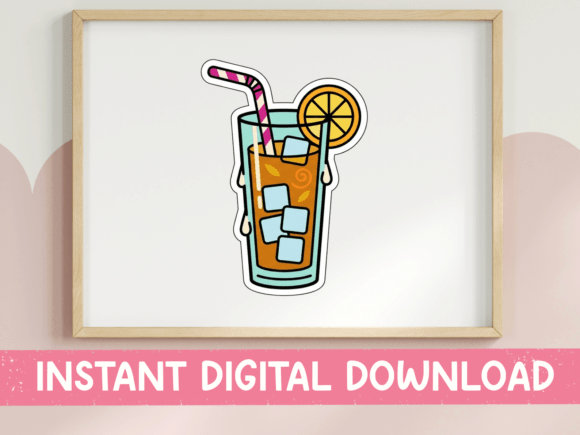
As a professional embroidery designer and product reviewer, I approach every new graphic with a specific question: will this translate beautifully from screen to stitch? When evaluating the Iced Tea Glass Sticker Design, my immediate focus is on how its distinct visual elements—the deep amber liquid, blue ice cubes, and pink striped straw—will behave under the needle. While originally categorized under T-Shirt Designs and Graphics, this artwork holds significant potential for machine embroidery projects if approached with technical mindfulness. The "sticker" aesthetic implies bold outlines and flat color blocks, which can be advantageous for digitizing, but it also presents unique challenges regarding stitch density and fabric compatibility.
Translating Sticker Aesthetics to Stitch
The first impression of the Iced Tea Glass Sticker Design is undeniably cheerful and nostalgic. It captures a specific summer mood that resonates with sweet tea fans and creates an instant emotional connection. For an embroidery project, this graphic relies heavily on color contrast rather than intricate shading. The clear highball glass shape provides a strong vertical silhouette, which is excellent for placement on items like tote bags or aprons. However, because the source art mimics a vinyl sticker, the digitized version must avoid looking too plastic or stiff once stitched.
In my experience reviewing similar graphics, the key to success lies in interpreting the "clear" glass and "blue" ice cubes. In embroidery, you cannot stitch transparency. Therefore, the machine embroidery design must utilize negative space or specific thread colors to suggest clarity without creating excessive bulk. If the digitizer has used heavy fill stitches for the entire glass area, the result may be too dense for lightweight fabrics. Ideally, the amber tea should use a satin stitch or light fill stitch to maintain a smooth sheen, while the blue ice cubes might benefit from running stitch accents to imply texture without adding unnecessary layers.
Real-World Application: The Custom Tote Bag Test
To truly evaluate this design, I mentally placed it into a real-life scenario: creating a custom embroidered tote bag for a boutique summer collection. Tote bags are a staple for Etsy sellers and small shop products, and this iced tea motif fits the demographic perfectly. Canvas tote bags provide a stable base, but they also have a pronounced fabric texture that can swallow fine details.
When stitching the Iced Tea Glass Sticker Design on canvas, the pink and white striped straw becomes the critical test. Stripes require precise registration. If the hoop size is too large or the stabilizer is insufficient, the white stripes may shift against the pink background, resulting in a messy appearance. For this handmade product, I would recommend testing the design on scrap canvas first. You need to verify that the stripes remain crisp and that the tall aspect ratio of the glass doesn't distort when the bag is filled with items. This design works exceptionally well as a centered chest logo on sweatshirts or as a primary focal point on kitchen towels, where the vertical orientation complements the garment's structure.
Navigating Fabric Limitations and Hoop Sizes
While this graphic is versatile, it demands careful consideration regarding where it should not be used. The tall, narrow proportions of the highball glass can be problematic for small hoop sizes. Compressing the design to fit a 4x4 hoop might force the blue ice cubes and straw details to become indistinguishable blobs. Always confirm the minimum viable dimensions before purchasing the digital embroidery file. If the details merge at smaller sizes, reserve this design for larger formats like pillow covers or adult apparel.
Fabric choice is equally important. Stretchy fabrics like jersey knits require robust stabilization to prevent the tall glass from warping during stitching. Dark fabrics present another challenge; since the design features "clear" glass and light-colored ice, stitching directly onto black or navy material without a backing layer will cause the colors to vibrate visually or disappear entirely. For dark custom apparel, consider using an applique design technique with a white felt base to preserve the integrity of the original color palette. Additionally, be cautious with textured fabrics like terry cloth for baby embroidery; the loops can obscure the delicate definition of the glass rim and straw stripes.
Commercial Viability and Customer Perception
For creative entrepreneurs and commercial embroidery businesses, the value of the Iced Tea Glass Sticker Design extends beyond aesthetics. It taps into a recognizable niche. Customers looking for personalized gifts or regional merchandise often seek out specific cultural touchstones like sweet tea. A professionally executed version of this design signals quality and attention to detail. Conversely, a poorly stabilized stitch-out with puckering around the glass base can diminish brand trust.
When listing finished products on platforms like Etsy, presentation matters. Use printable mockups to showcase how the design looks on various blanks before committing to production. However, always validate these mockups against actual stitch-outs. Buyers engage more readily when they can see the texture and dimension of the embroidery. Ensure your product descriptions accurately reflect the design's characteristics. If the design includes tiny lettering or intricate garnish details, be transparent about size limitations. Professionalism in digital product previews translates directly to customer confidence in the physical item.
Essential Designer Notes for Success
Before integrating the Iced Tea Glass Sticker Design into your inventory or personal collection, adhere to these practical guidelines to ensure a premium finished product:
- Verify Licensing: Confirm whether the digital embroidery file allows for commercial use on finished goods versus digital resale. Terms vary significantly between designers.
- Test Stitch Density: Run a sample on your intended fabric. If the amber tea section feels bulletproof or stiff, the density is too high for wearable custom apparel.
- Check Thread Contrast: View the design in black and white within your software. If the blue ice and amber tea read as the same gray tone, adjust thread colors to ensure visual separation.
- Stabilizer Selection: Match stabilizer weight to the design's stitch count. Tall vertical designs often require cut-away stabilizer on stretchy fabrics to prevent vertical distortion.
- Detail Inspection: Zoom in to check the junction where the straw enters the glass. This intersection often causes thread buildup; trim jumps manually if the machine does not handle it cleanly.
- Mockup Validation: Compare light and dark fabric backgrounds in your printable mockup to determine if a white underlay or applique base is necessary for visibility.
Final Thoughts on Summer Stitching
The Iced Tea Glass Sticker Design offers a delightful opportunity for makers to capture summer nostalgia in thread. Its success depends entirely on respecting the translation from graphic art to textile medium. By understanding the interplay of stitch types, fabric textures, and color values, you can elevate this graphic from a simple digital asset to a cherished handmade product. Whether you are crafting holiday embroidery for a family reunion or stocking a craft business with seasonal bestsellers, thoughtful execution ensures this sweet tea motif remains as refreshing in stitch as it is in concept. Always prioritize testing and technical accuracy to deliver the quality your customers expect.