To Help You Cope: T-Shirt Design Review
As a professional embroidery digitizer and product reviewer, I approach every new graphic with a specific question: will this actually stitch out well, or is it just a pretty picture on a screen? When evaluating To Help You Cope, T-shirt Design, my focus shifts immediately from digital aesthetics to tangible production value. This design carries an emotional weight suggested by its title, implying a need for comfort, support, and clarity. For small business owners, Etsy sellers, and makers creating personalized gifts or mental health awareness merchandise, the technical execution of this sentiment is just as important as the message itself.
First Impressions and Emotional Resonance
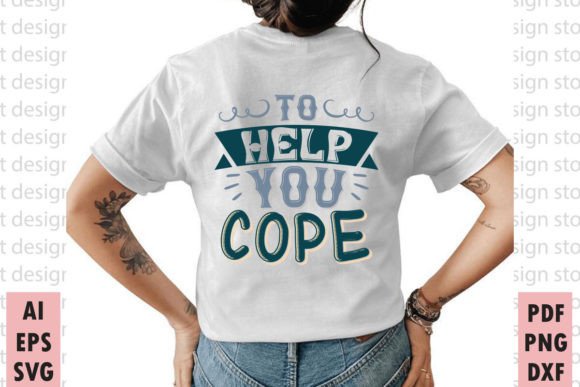
Upon opening the embroidery file, the first thing I assess is the visual hierarchy. Does the phrase "To Help You Cope" read instantly from a distance? In the realm of T-Shirt Designs, legibility is paramount. This graphic appears balanced for apparel, but as an embroiderer, I am looking at the negative space between letters and the overall footprint. The mood feels supportive rather than clinical, which suggests it would perform beautifully on soft, matte fabrics like cotton jersey or fleece sweatshirts rather than shiny performance wear. For a handmade product intended to offer comfort, the design’s personality needs to translate through thread texture, not just ink-on-screen vibrancy.
Real-World Application: Stitching a Comfort Sweatshirt
To truly evaluate this asset, I mentally placed it in a real-life production scenario: creating a custom unisex sweatshirt for a mental health awareness pop-up shop. This is a common request for craft business owners during awareness months or holiday seasons. In this context, To Help You Cope, T-shirt Design serves as more than decoration; it is a conversation starter.
For this project, I would treat the graphic as a centerpiece. If the design includes solid fill areas, I would verify the stitch density to ensure it doesn't create a bulletproof patch on the chest of a soft garment. Heavy density causes fabric distortion and discomfort. Ideally, elements of this design should utilize a combination of satin stitch for clean borders and lighter fill stitch patterns to maintain drape. If the design incorporates text, checking the column width is vital. Text that is too thin may get lost in the fleece nap, while text that is too wide can look blocky. For a sweatshirt embroidery project, I might also consider if this works as an applique design. Adding a fabric layer behind the lettering could reduce stitch count significantly while adding a tactile, handmade quality that customers love.
Navigating Fabric Variables and Hoop Constraints
Versatility is key for any digital embroidery file marketed for multiple uses. While the description highlights t-shirts and mugs, practical application requires caution across different substrates.
- Stretchy Knits: When using this for custom apparel like baby onesies or lightweight tees, stabilization is non-negotiable. The design must be tested to ensure it doesn't pucker. A cut-away stabilizer is usually best here to support the stitches permanently.
- Textured Surfaces: If adapting this for a tote bag design on canvas or linen, the detail level matters. Intricate running stitches might disappear into the weave. You may need to increase underlay or adjust pull compensation in your software before stitching.
- Curved Items: The description mentions mugs. Be aware that standard machine embroidery files do not work directly on sublimation mugs unless converted. However, if you are hooping a curved surface like a cap, verify the design height. Most cap hoops have a strict vertical limit, and a design optimized for a flat t-shirt chest may require resizing or re-digitizing to fit without distorting the curve.
Commercial Viability for Makers and Sellers
For Etsy seller accounts and boutique brands, consistency builds trust. Using To Help You Cope, T-shirt Design across a product line requires understanding how it scales. A design that looks profound on an adult hoodie might become illegible on a baby embroidery bib or sleeve cuff. Before listing a finished product, always check the minimum readable size. Tiny serifs or decorative accents often turn into thread blobs when scaled down below 3 inches.
Furthermore, consider the perceived value. Customers paying for commercial embroidery expect durability. If this design has excessive jump stitches or poor tie-offs, it will unravel after washing, damaging your brand reputation. Always run a sew-out test. Inspect the back of the sample; messy bobbin threads indicate tension issues or digitizing flaws that need correction before you sell a single item. For those selling design assets or printable mockup previews, ensure your digital representations accurately reflect the stitched reality to avoid customer disappointment.
Critical Technical Checks Before Production
Because specific technical specifications were not provided in the product details, you must perform due diligence. Never assume a machine embroidery design is ready-to-stitch straight from purchase. Here is my mandatory checklist for this graphic:
- Verify Licensing: Confirm whether the license allows for physical product sales, digital file redistribution, or both. This is crucial for small shop product compliance.
- Audit Stitch Types: Open the file in your editing software. Are there satin stitches wider than 7mm? These may need splitting to prevent looping. Is the running stitch text thick enough for the target fabric?
- Test Color Contrast: View the design in grayscale. If the contrast relies solely on color differences rather than value differences, it may fail on dark fabrics. Test thread colors against both white and black backgrounds.
- Confirm Hoop Size Compatibility: Measure the actual dimensions. Ensure it fits your specific machine's hoop with adequate margin for the presser foot. Do not rely solely on the file name for sizing.
- Wash Testing: If producing holiday embroidery or items meant for frequent use, wash and dry your test swatch. This reveals if the stabilizer choice was correct and if the design remains stable over time.
Final Verdict on Practical Utility
To Help You Cope, T-shirt Design offers a meaningful foundation for creators focusing on wellness, support, and personal expression. Its strength lies in its potential to connect emotionally with the wearer. However, its success as a personalized gift or retail item depends entirely on your technical preparation. By respecting the interplay between fabric texture, stitch physics, and design intent, you can transform this digital graphic into a high-quality, durable embroidered piece. Whether you are making an embroidered patch for a jacket or a full-front sweatshirt embroidery piece, treat this design as a starting point that requires your professional expertise to truly shine. Always prioritize the integrity of the stitch over the speed of production, and your customers will feel the care woven into every thread.